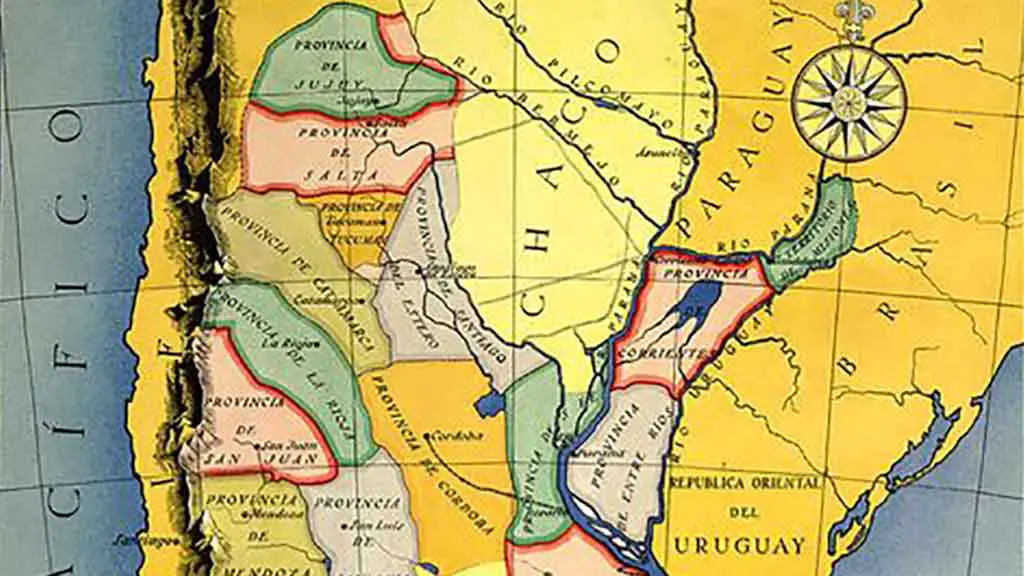
Argentina, su historia. Primeros habitantes, pueblos originarios, conquista, colonización, revolución e Independencia. Proceso y actores de la de transformación de las Provincias Unidas en la República Argentina. Todo aquí…
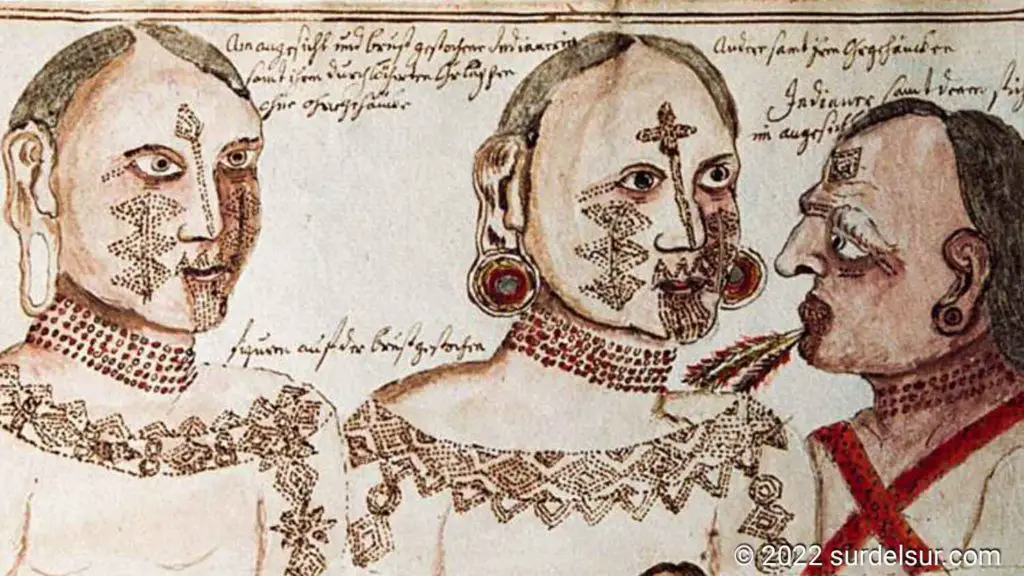
De donde vinieron los primeros pobladores de Argentina? …Según cuenta la historia, mucho tiempo atrás, miles de años en el pasado, tribus de cazadores llegaban …
Con la llegada de los conquistadores españoles en el Siglo XVI los pueblos indígenas vieron truncadas sus posibilidades de desarrollar su cultura. Sólo algunos lograron …
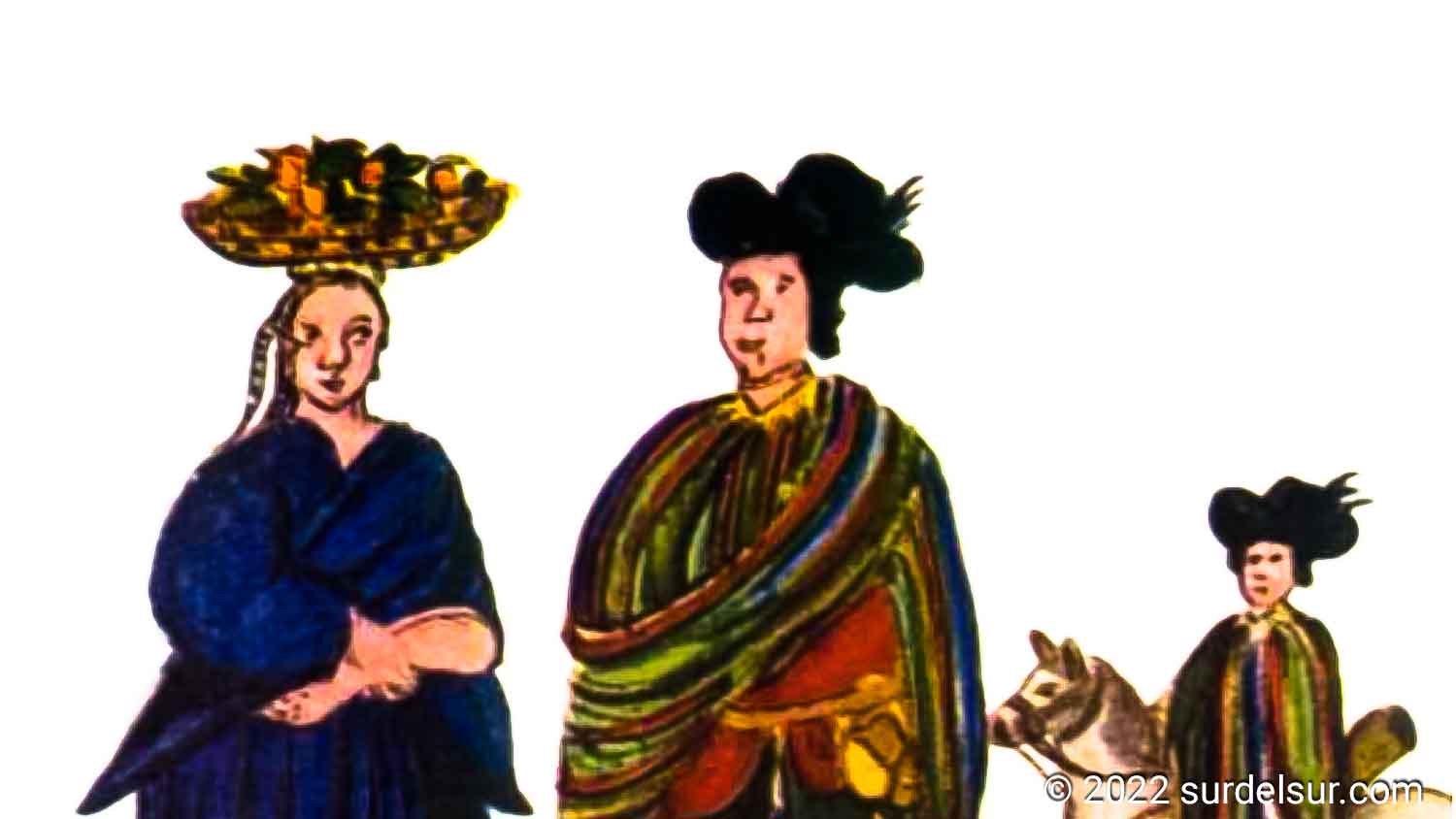
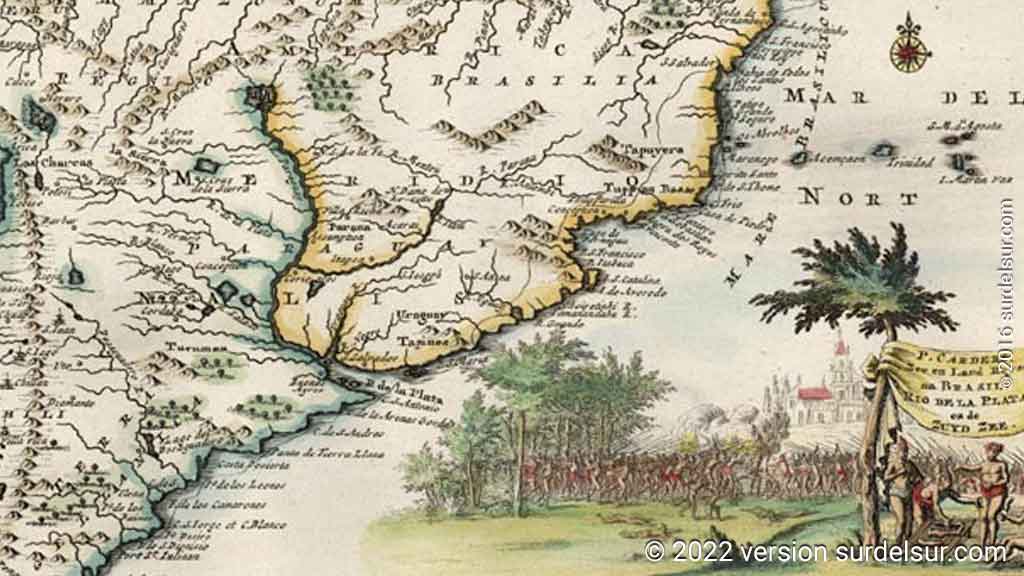
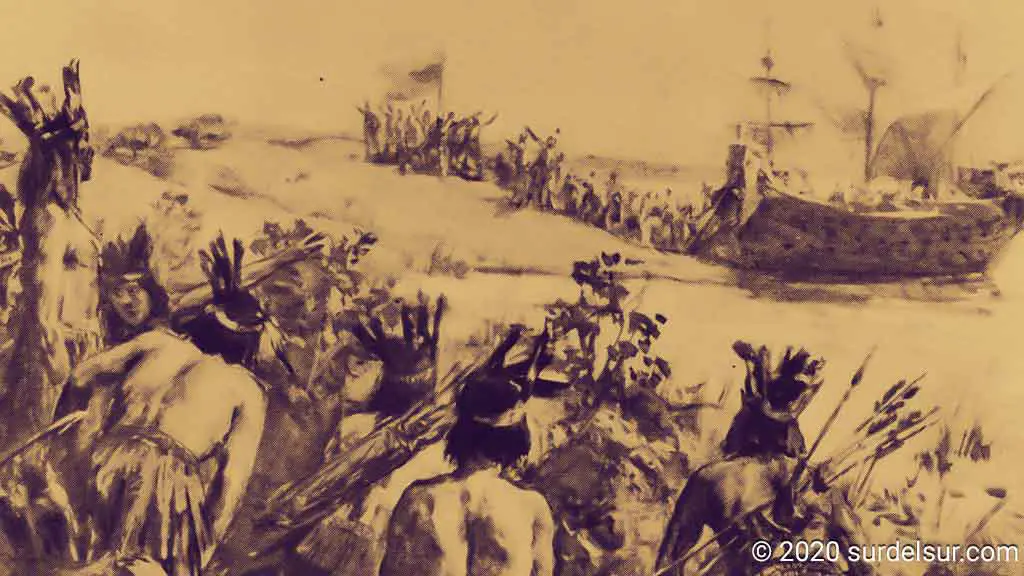
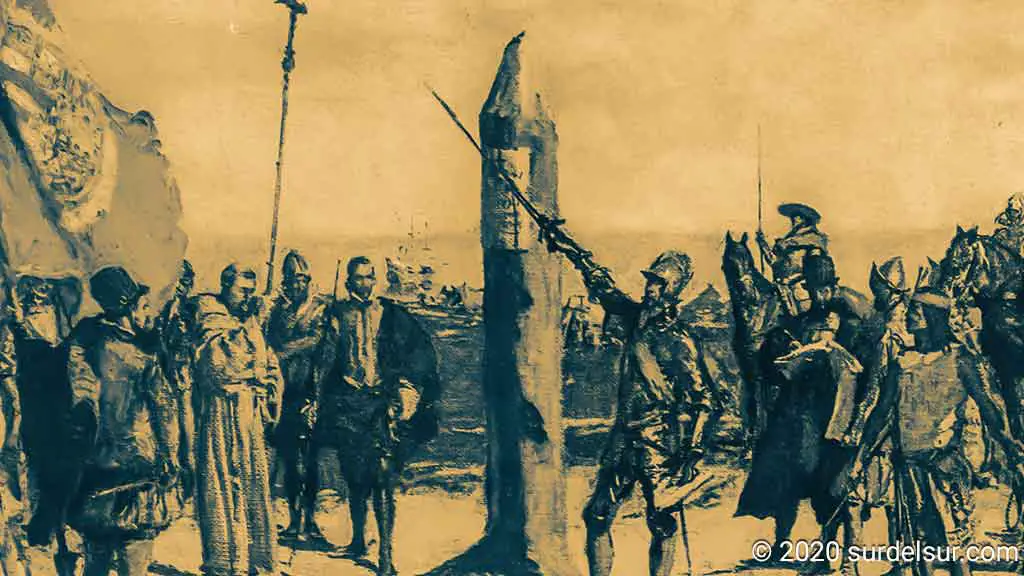
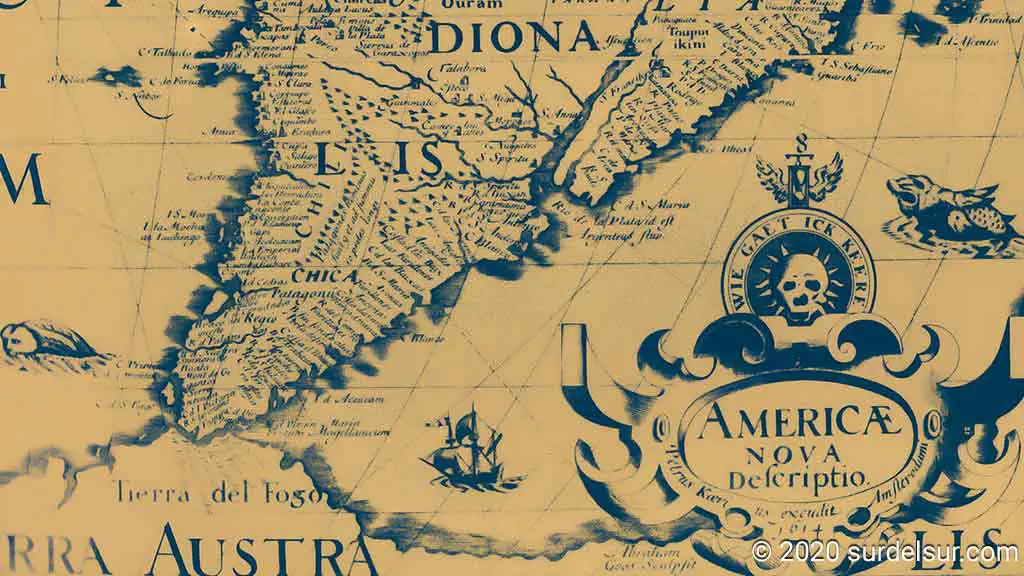
La conquista y colonización del Río de la Plata, se refiere al descubrimiento, conquista y colonización del actual territorio argentino, por el imperio español. Hasta entonces nuestro territorio estaba habitado …
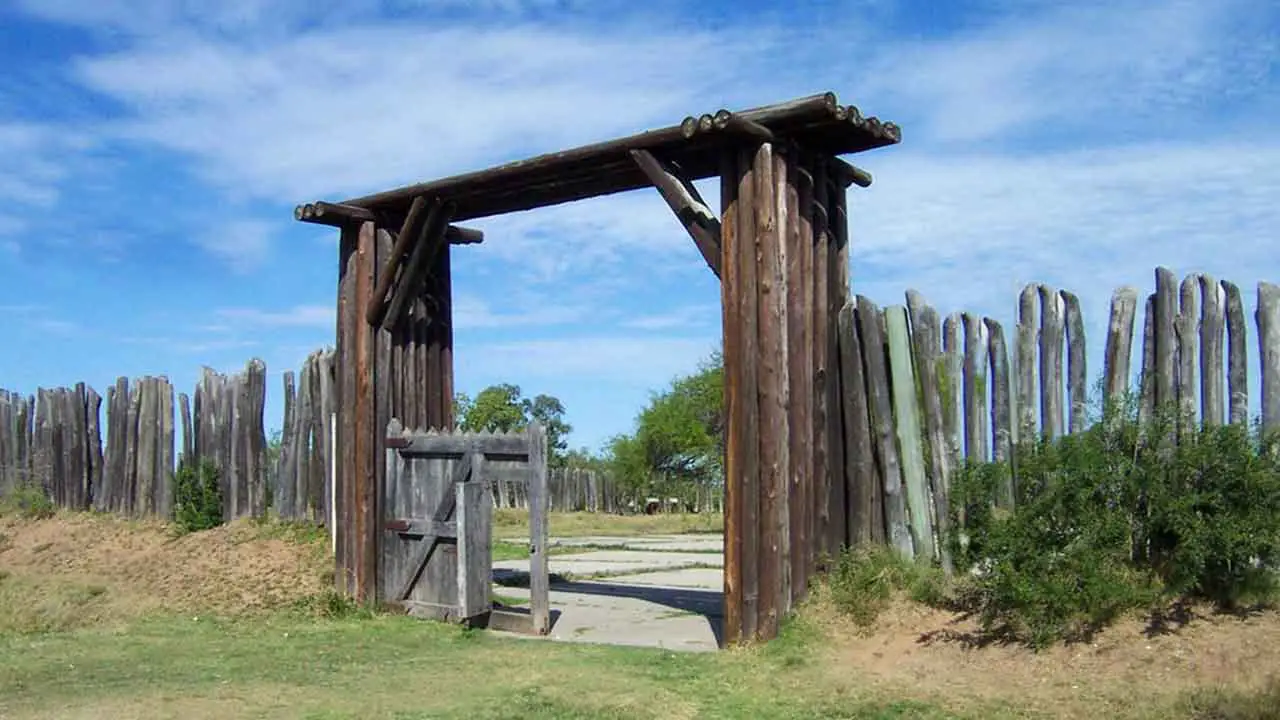
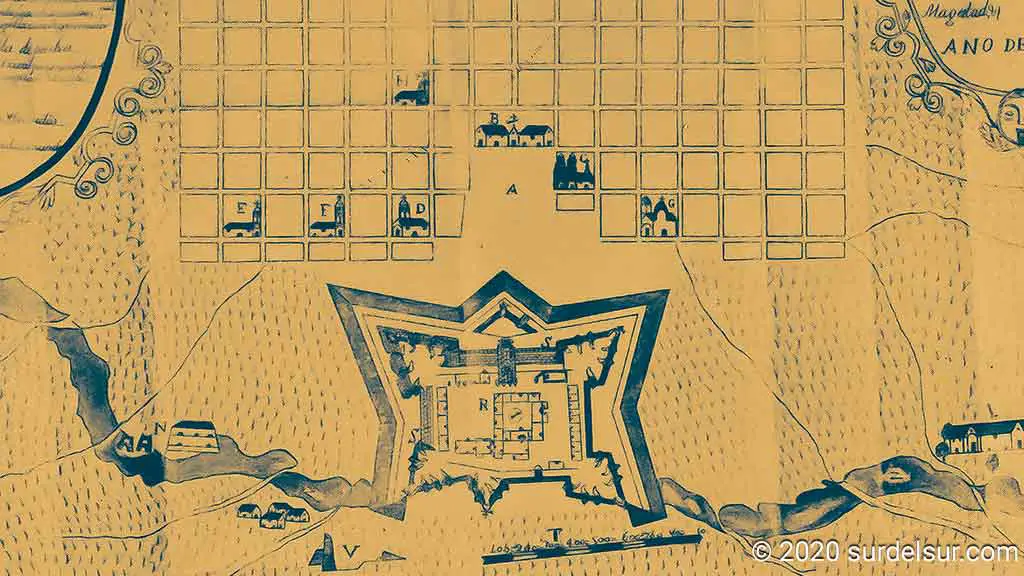
Aquí te contamos la 1.a y 2.a fundación de Buenos Aires, en forma resumida, con preguntas y respuestas: fácil y rápido. Ambas fundaciones se producen en el período de la conquista …
Las conclusiones de la fundación de Buenos Aires, nos van a ayudar a comprender una complicada trama de causas y consecuencias en períodos históricos diferentes. …
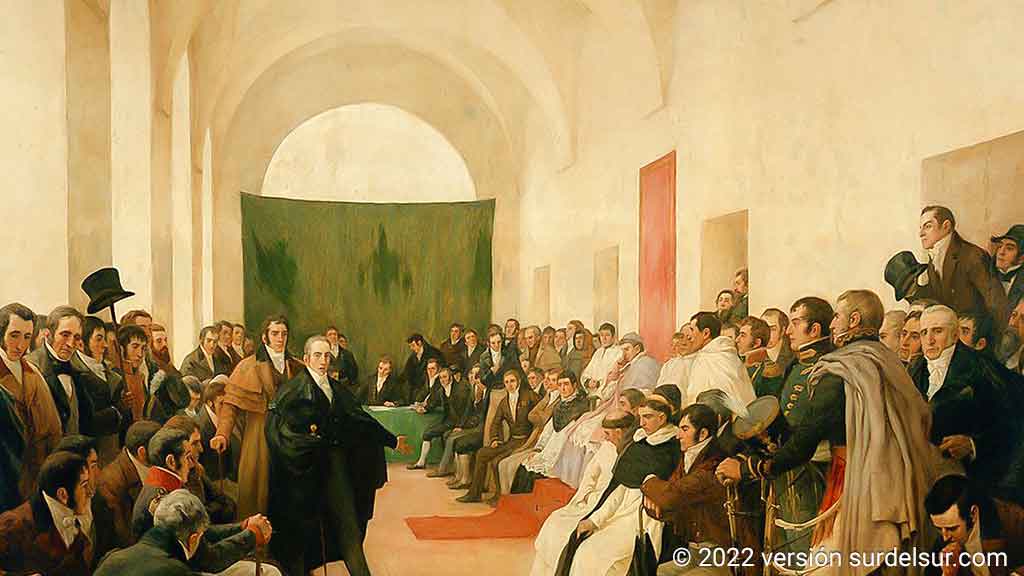
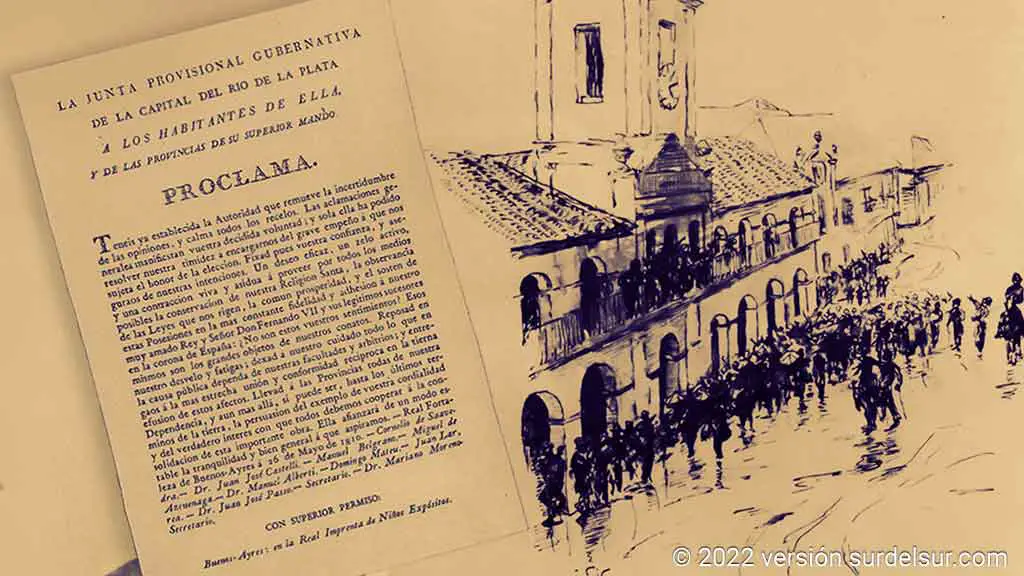
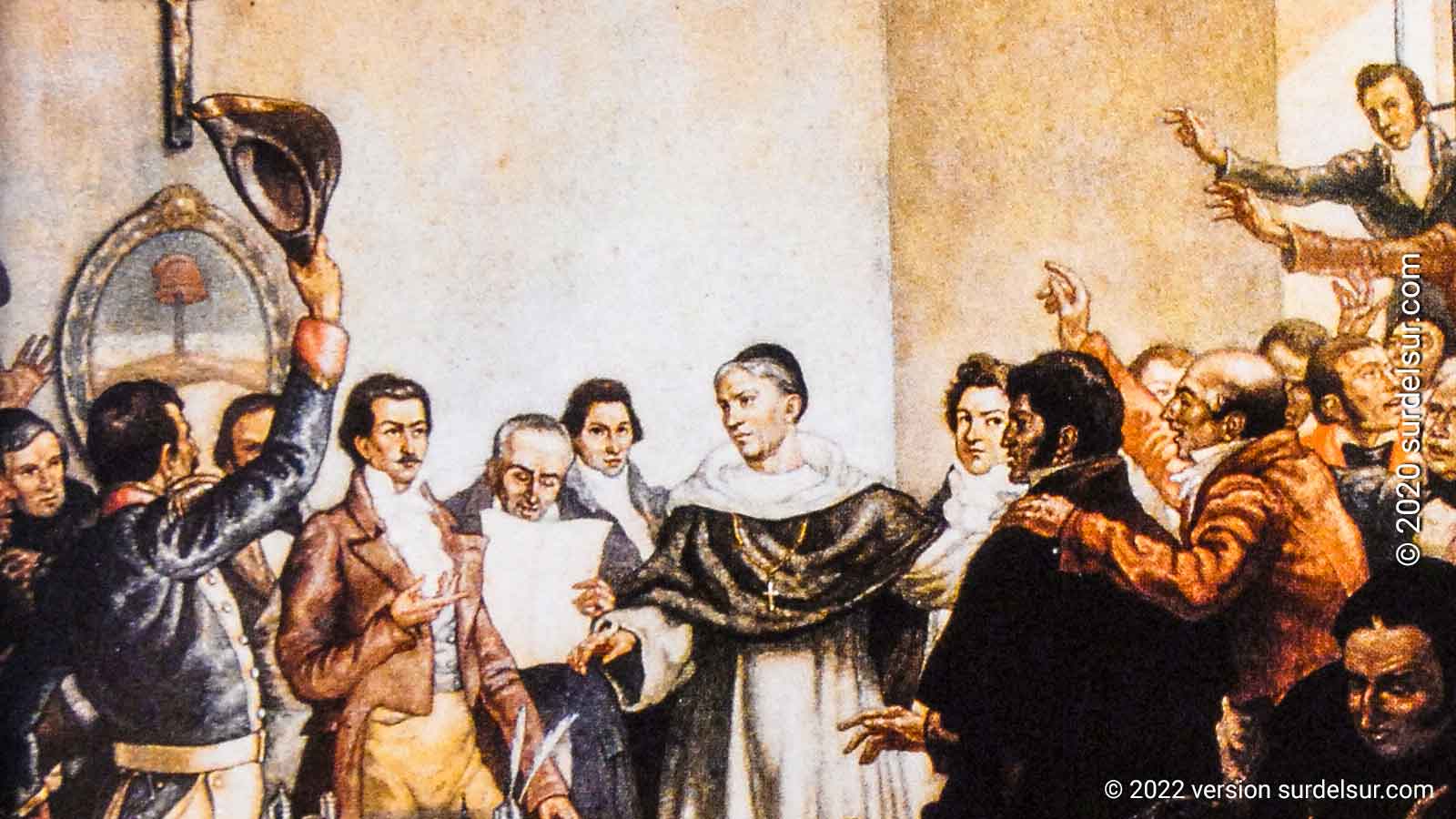
Lograr la Independencia Argentina, fue un largo y azaroso camino. El germen de la independencia empieza a incubarse, fruto de un convulsionado entorno internacional, y un conflictivo panorama interno. Comienza …
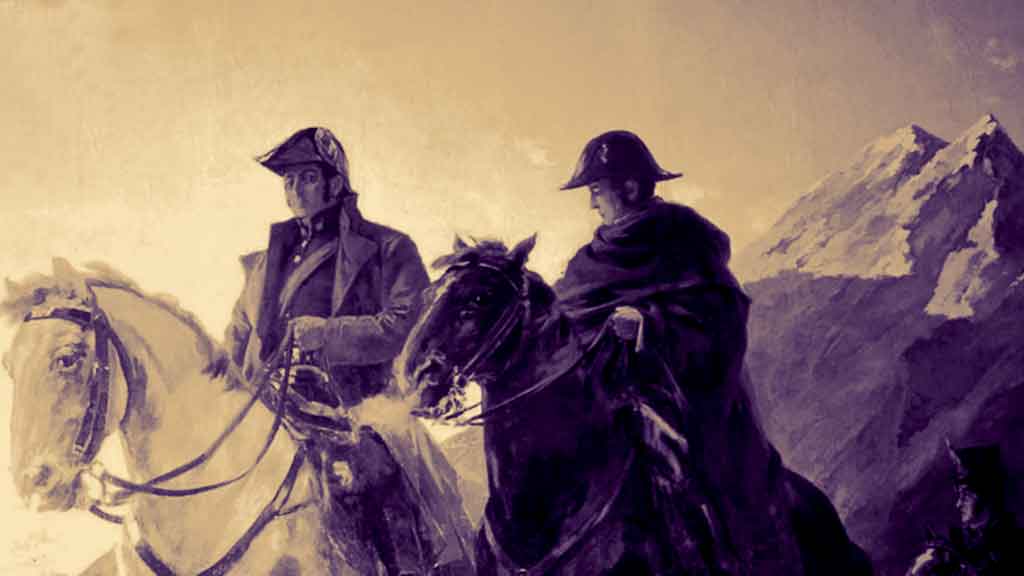
El Plan Continental de San Martín, consistía en la liberación de Argentina, Chile y Perú, del dominio colonial español. Para lograrlo, se proponía, formar un …
En este informe vamos a describir las causas y consecuencias de la Declaración de la Independencia de Argentina. Vamos a contar, cuáles eran las causas …
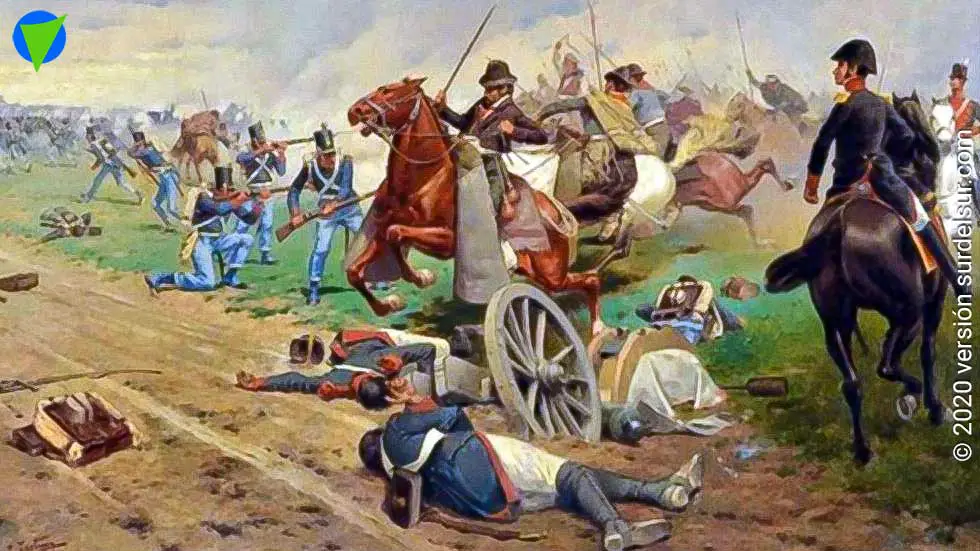
La guerra por la Independencia de Argentina, que tuvo lugar hasta 1816, tenía como objetivo desalojar a las fuerzas realistas de las Provincias Unidas del …
Los símbolos patrios de Argentina, son el escudo, el himno y la bandera. Son aquellos que identifican a nuestra nación, el país, su cultura y su gente. Dentro y fuera …
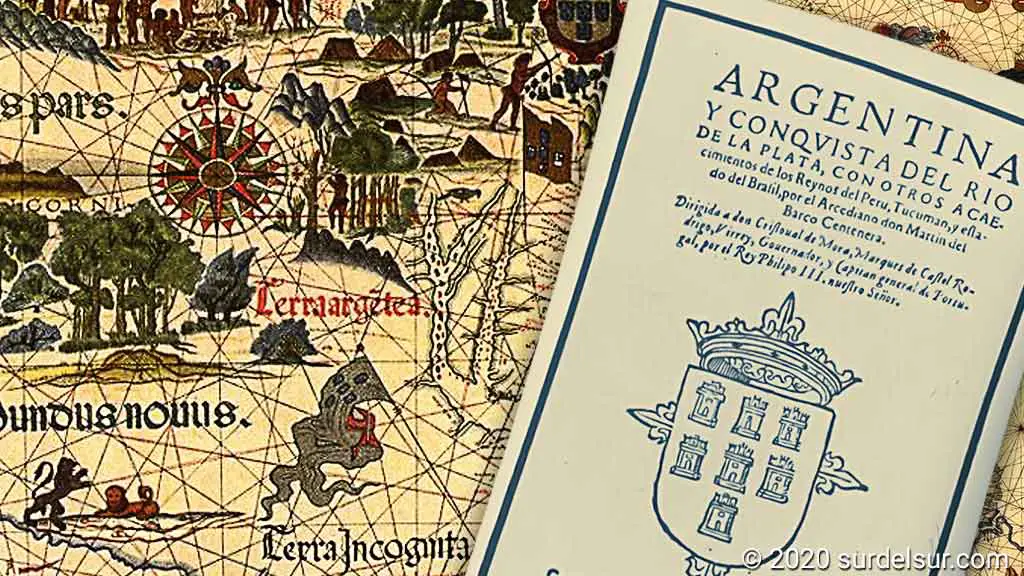
Argentina y conquista del Río de la Plata es un poema histórico escrito en 1601 por el inquisidor español arcediano Martín del Barco Centenera, inspirado …
El proceso de la formación del estado argentino, tiene varios episodios fundamentales a destacar. Aquí vamos a contar cuáles fueron esos capítulos de nuestra historia, que transformaron a las colonias …
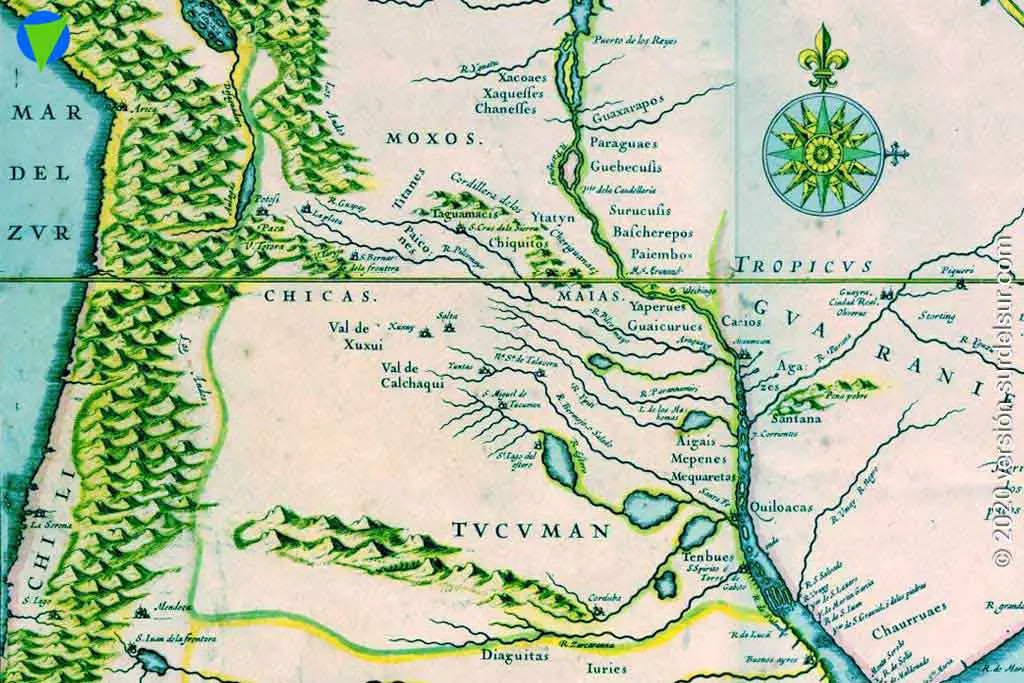
El territorio de Argentina antes de convertirse en Estado, formó parte del Virreinato del Perú, creado en el siglo XVII; y posteriormente del Virreinato del …
El estado moderno argentino, su proceso de gestación, se caracterizó por un lento tránsito a la madurez institucional. Los períodos democráticos fueron interrumpidos por gobiernos …