A Journey
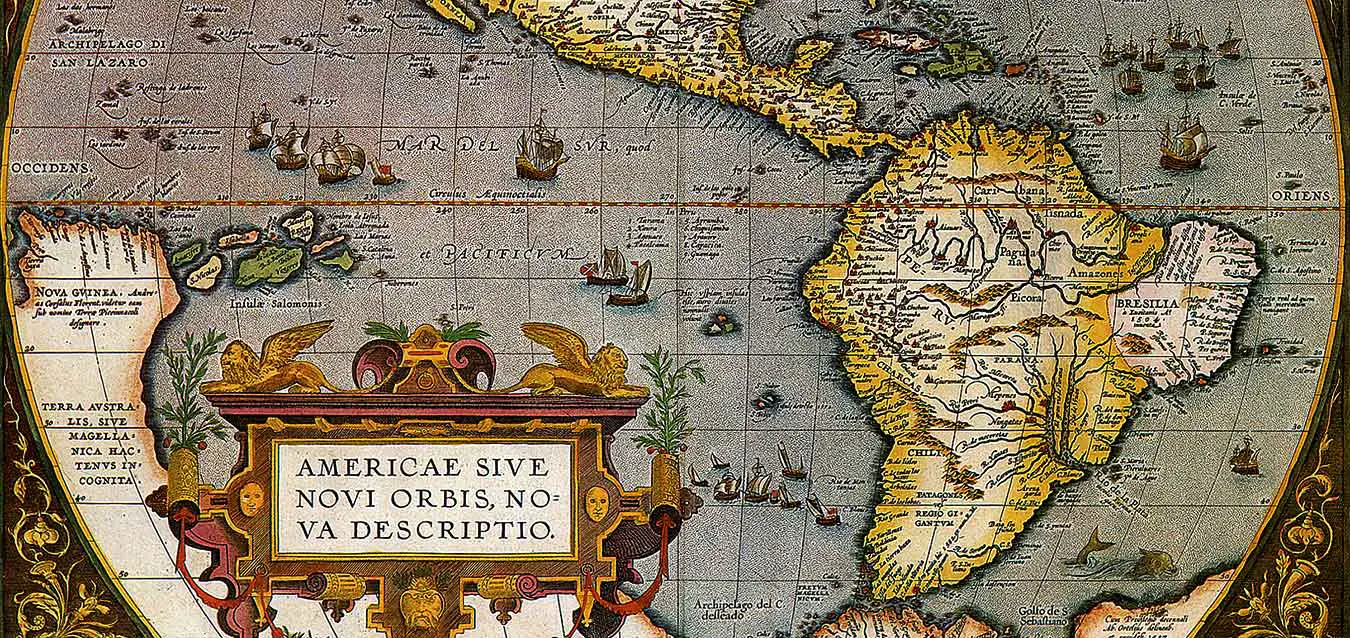
into the Past Argentina before Becaming a Nation-StateThe first colonizers to arrive in South America were
Spaniards. In a way, this happened by mere chance, since they intended
to find a passage to India. Basically motivated by the expectations of finding
precious metals, it is not surprising that the Spanish crown should consider
Lima rather than Buenos Aires, which only had virgin lands and nomadic tribes
with hostile natives. That
is why the Viceroyalty of Peru developed slowly, always under the shadows
of the Inca Empire. It
was the interest aroused by the development of the port of Buenos Aires for
countries such as Portugal (which expanded its colonizing campaigns
up to Plata River), England and France, (which carried
out expeditions in Patagonia and Malvinas) that made Spain aware of the importance
and autonomy of this region.
Thus the Viceroyalty of Plata River was created in 1776. While,
in the beginning, the population was distributed among different points of
the interior, but, thanks to the prosperity of the littoral stockbreeders
and the merits of the port of Buenos Aires, from which leather, tallow and
wool were exported, economic activity was increasingly centered in Buenos
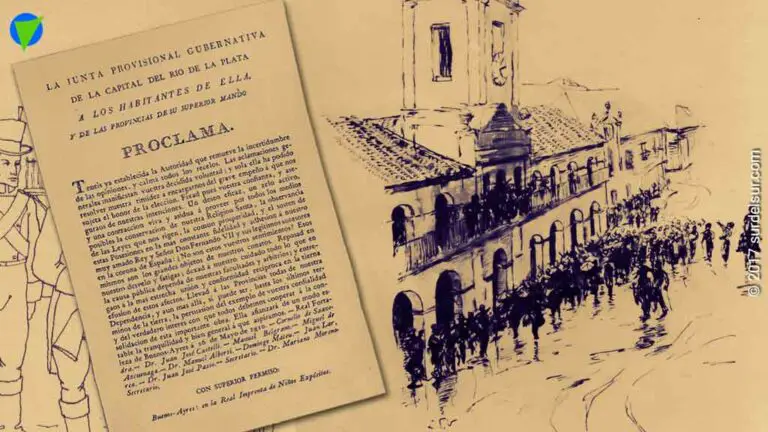
Aires. When
May Revolution broke out in 1810, Plata River was a valued business
center which sought to get rid of the Spanish monopoly. European powers
which were more recent and stronger than the worn-out Spanish empire, such
as England, boosted the dismemberment of the Viceroyalty.
Finally, and as a consequence of this process, the structuring of the
Argentine territory could be achieved.
It has:
A surface of 1,077,923 sq. mi. (2.791.810 km2),
which corresponds to tne American emerged portion.
An Antartic portion of 372,819 sq. mi. (965.597 km2).
It is divided into 23 provinces and Buenos Aires city.